How to Reconstitute Lyophilized Peptides: A Step-by-Step Lab Guide
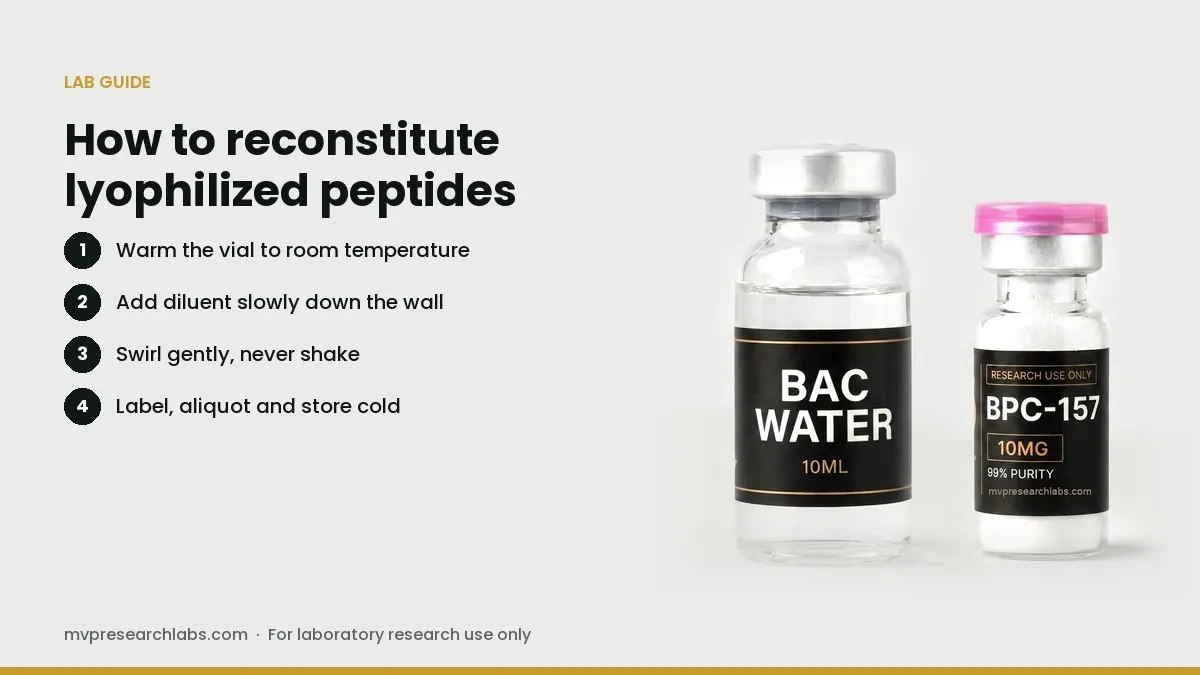
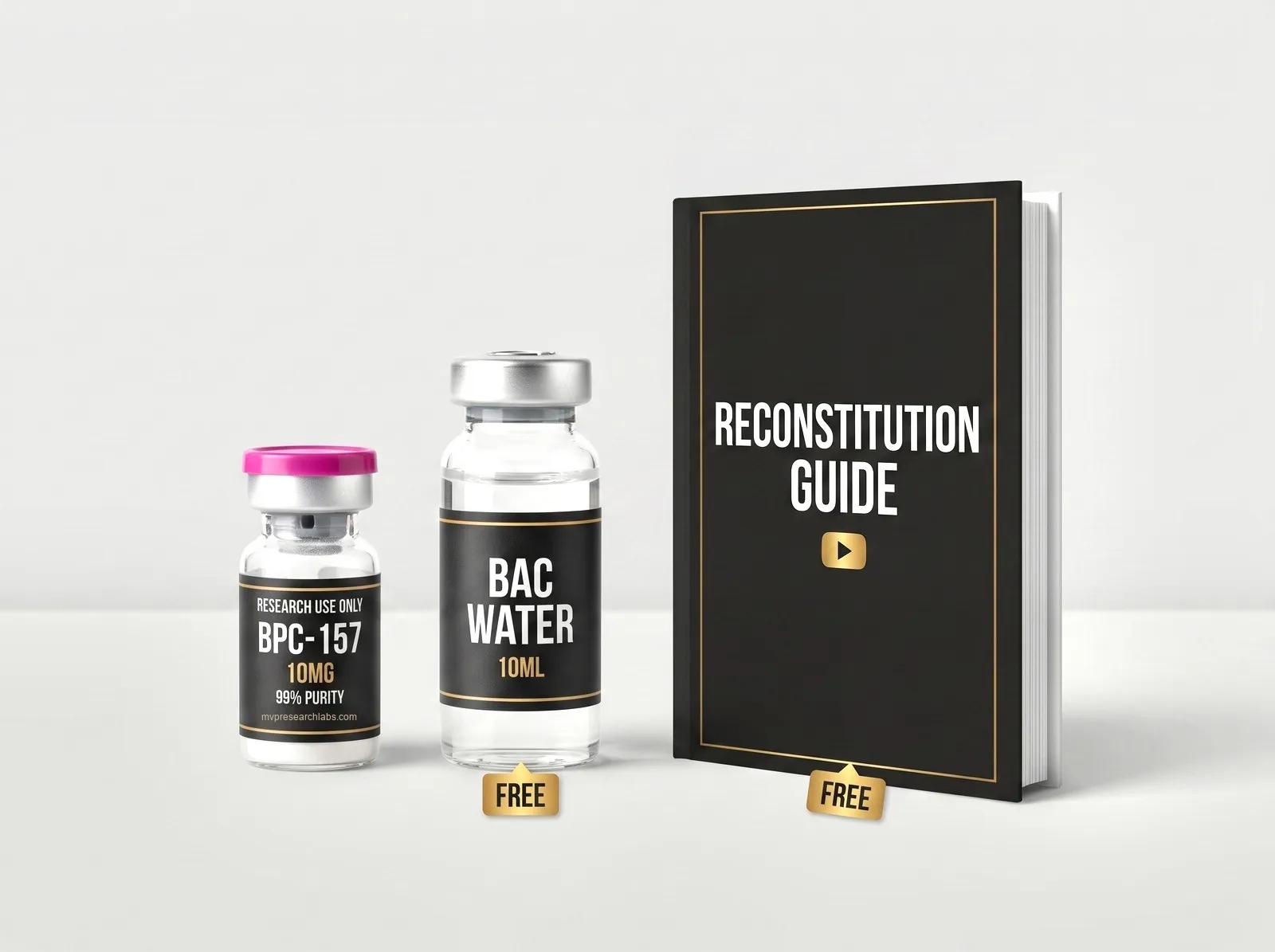
Most research peptides ship as a lyophilized, or freeze-dried, powder because the dry form is far more stable than a solution. Before the material can be used in an assay it has to be reconstituted: dissolved in a suitable diluent at a known concentration. Done carefully, reconstitution preserves the integrity of the peptide and makes every later measurement traceable. This guide walks through the process as it is typically performed at the bench.
What you need
The lyophilized peptide vial, with its label and lot number recorded before you begin.
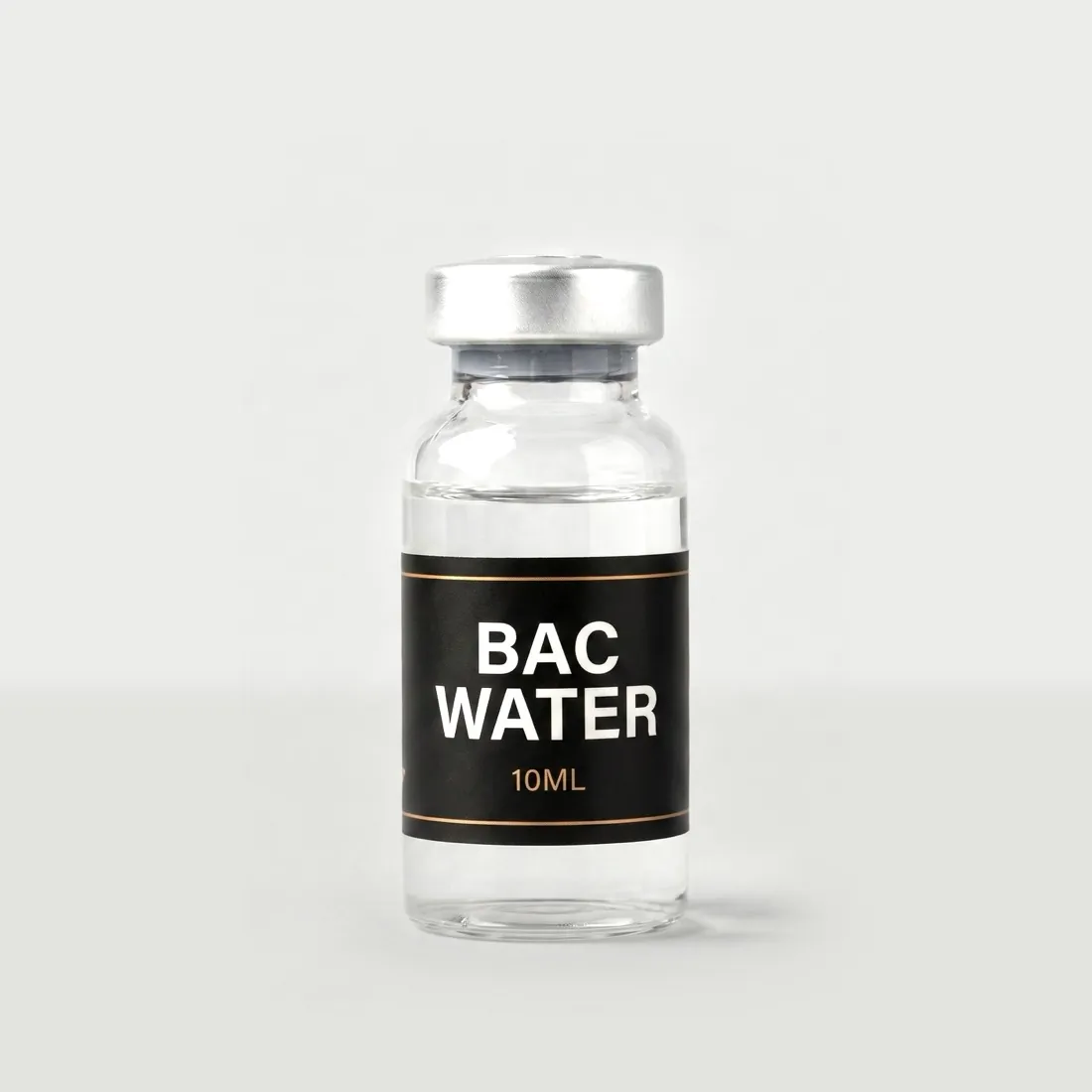
A suitable diluent, such as sterile water, bacteriostatic water, a dilute acid or a buffer specified by your protocol.
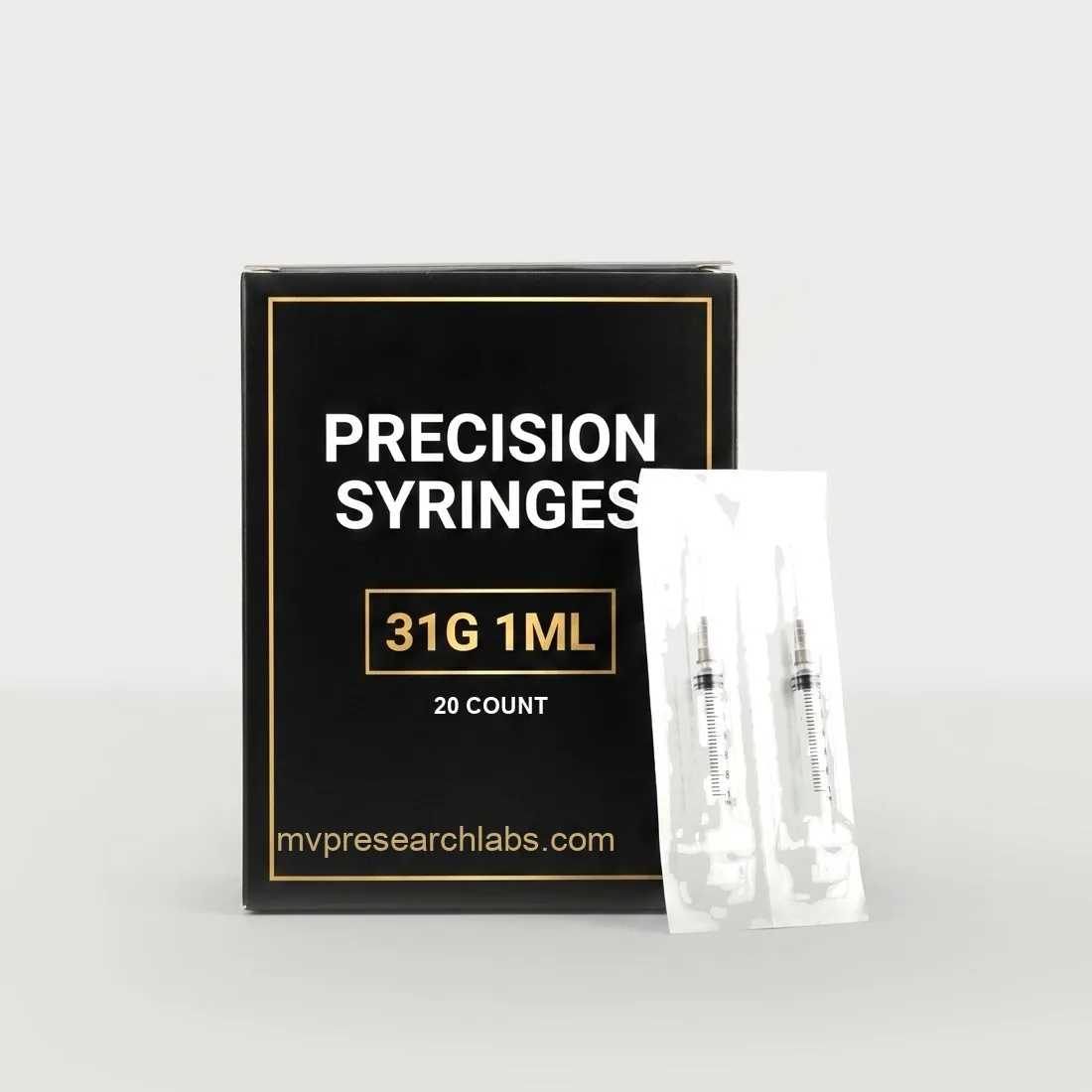
A calibrated pipette or a sterile syringe for measuring the diluent volume accurately.
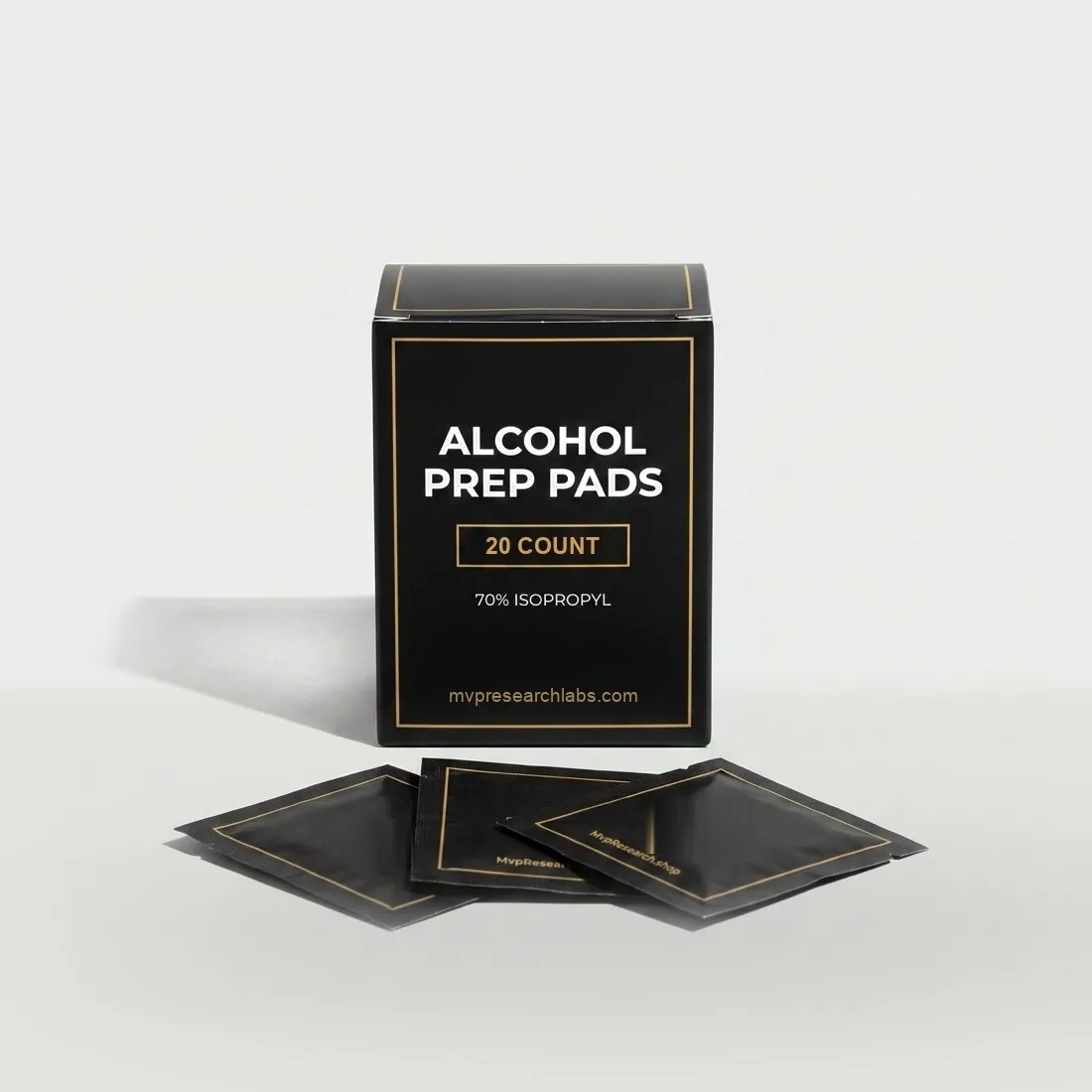
70% isopropyl alcohol swabs for the vial stopper.
Gloves, a clean work surface or laminar flow hood, and labels for the finished solution.
Step 1: Let the vial reach room temperature
Take the vial out of the refrigerator or freezer and let it stand, still sealed, for 15 to 30 minutes. Opening a cold vial draws moisture from the air onto the powder. Lyophilized peptides are hygroscopic, and absorbed water both changes the effective mass and speeds up degradation.
Step 2: Choose the right diluent
The best diluent depends on the peptide and on the experiment. Sterile water suits most short, charged peptides. Bacteriostatic water, which contains 0.9% benzyl alcohol, is preferred when the same vial will be accessed repeatedly over several days. Peptides with a net positive charge often dissolve more easily in a dilute acid such as 0.1% acetic acid, while acidic peptides may need a slightly basic buffer. Very hydrophobic sequences sometimes require a small volume of an organic solvent such as DMSO before dilution with aqueous buffer.
Always check that the diluent is compatible with the downstream assay. Preservatives and organic solvents can interfere with cell-based experiments.
Bacteriostatic water vs. sterile water: which to use →
Step 3: Calculate the volume
Decide on a working concentration first, then calculate the diluent volume: volume (mL) = mass (mg) ÷ target concentration (mg/mL). For example, 5 mg of peptide dissolved in 1 mL gives 5 mg/mL, and the same 5 mg in 2.5 mL gives 2 mg/mL. Pick a concentration that makes later aliquots easy to measure.
Open the peptide reconstitution calculator →
Step 4: Add the diluent slowly
Swab the rubber stopper with alcohol and let it dry completely. Measure the calculated volume and add it slowly, directing the stream against the inside wall of the vial rather than straight onto the powder. A gentle flow reduces foaming and mechanical stress on the peptide.
Step 5: Dissolve without shaking
Swirl the vial gently or roll it between your palms until the cake has dissolved. Avoid vigorous shaking or high-speed vortexing, which can cause foaming, aggregation and oxidation at the air–liquid interface. Some peptides dissolve in seconds, others take several minutes. If material remains after 10 to 15 minutes of gentle mixing, a short period in a bath sonicator can help.
A properly reconstituted solution is clear and free of visible particles. Cloudiness, gel formation or particulates point to incomplete solubility or aggregation, and usually mean the diluent or pH should be reconsidered.
Step 6: Label, aliquot and store
Label the vial with the compound, concentration, diluent, date and your initials. If the solution will be used over more than a few days, divide it into single-use aliquots in low-protein-binding tubes. Aliquoting avoids repeated freeze–thaw cycles and repeated punctures of the same stopper.
How to store peptides after reconstitution →
Common mistakes to avoid
Opening a cold vial, which lets condensation form on the powder.
Shaking the vial hard instead of swirling it.
Estimating the diluent volume from vial graduations instead of measuring it.
Assuming the labeled fill equals the net peptide content.
Leaving a working solution at room temperature longer than the experiment requires.
Refreezing the same solution again and again instead of freezing aliquots once.